TOYOTA G9230-47020 Fan Battery Hv Blower Cooling
fits model: Prius. make: Toyota. year: 2010–2014.
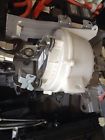
( Manufacturer Part Number: G9230-47020 ), ( Part Type: Fan Battery Blower )
Review TOYOTA Used Fan Battery Hv Blower Cooling fits PRIUS 2010–2014
The Toyota Prius fan battery, specifically designed for models ranging from 2010 to 2014, is an essential component of your vehicle's climate control system. This high-quality part is responsible for powering the blower motor, ensuring that your Prius's air conditioning and heating systems function optimally.
The 2013 Prius 2011-2014 fan battery is a 12-volt, sealed lead-acid battery, designed to withstand the harsh conditions of your vehicle's engine compartment. It measures approximately 7.5 inches long, 5.9 inches wide, and 6.2 inches high, making it a compact yet powerful solution for your cooling needs.
The 2012 HV blower motor fan battery features a robust construction, with a durable casing and high-quality terminals that ensure a secure and reliable connection to your vehicle's electrical system. It is designed to deliver consistent power to the blower motor, ensuring that you always have the right amount of airflow, whether you're dealing with a scorching summer day or a freezing winter night.
The 2014 Toyota cooling system fan battery is a critical component of your vehicle's cooling system. It helps to keep the engine and other critical components at optimal temperatures, preventing overheating and ensuring the longevity of your Prius. The battery is designed to withstand the high temperatures and vibrations that are common in a vehicle's engine compartment, ensuring reliable performance over the long term.
In summary, the 2013 Prius 2011-2014 fan battery is a high-quality, robust solution for maintaining optimal climate control in your Prius. It is a crucial part of your vehicle's cooling system, ensuring that your engine stays at the right temperature and your blower motor has the power it needs to deliver the right amount of airflow. Whether you're dealing with extreme heat or cold, this fan battery is designed to deliver the reliable performance you need.
2013 Prius: Pros:1. Advanced Technology: The 2013 Prius features a more advanced hybrid system and improved technology compared to the 2010 model.
2. Fuel Efficiency: With an EPA-estimated 50 mpg city/49 mpg highway, the 2013 Prius is highly fuel-efficient.
3. Reliability: Toyota has a reputation for building reliable vehicles, and the Prius is no exception.
Cons:1. Depreciation: As a used car, the 2013 Prius may have depreciated significantly, which could make it more expensive than other used cars with similar features.
2. Maintenance Costs: While the Prius is known for its low maintenance costs, some components, such as the hybrid battery, can be expensive to replace.
2011 Prius: Pros:1. Affordability: As a used car, the 2011 Prius may be more affordable than the 2013 model.
2. Reliability: Like the 2013 model, the 2011 Prius is known for its reliability.
Cons:1. Fuel Efficiency: The 2011 Prius has lower fuel efficiency compared to the 2013 model, with an EPA-estimated 48 mpg city/45 mpg highway.
2. Technology: The 2011 model has less advanced technology compared to the 2013 model.
2010 Prius: Pros:1. Affordability: The 2010 Prius is likely to be the most affordable of the three models.
2. Reliability: Toyota's reliability extends to the 2010 Prius.
Cons:1. Fuel Efficiency: The 2010 Prius has lower fuel efficiency compared to the 2011 and 2013 models, with an EPA-estimated 45 mpg city/44 mpg highway.
2. Technology: The 2010 model has even less advanced technology compared to the 2011 model.
2012 HV Blower: Pros:1. Improved Air Flow: A new high-volume blower can improve the cooling system's airflow, which can help maintain a comfortable cabin temperature.
Cons:1. Cost: Replacing the blower motor can be expensive, and it may not be necessary if the current blower is still functioning properly.
2. Labor Costs: The labor cost of replacing the blower motor can add to the overall cost.
2014 Toyota Cooling: Pros:1. Improved Cooling System: The 2014 Toyota cooling system may be more efficient and reliable compared to older models.
Cons:1. Cost: Replacing the entire cooling system can be expensive, and it may not be necessary if the current system is still functioning properly.
2. Labor Costs: The labor cost of replacing the cooling system can add to the overall cost.
Conclusion:If you're looking for a fuel-efficient, reliable, and technologically advanced vehicle, the 2013 Prius may be the best option. However, if budget is a concern, the 2011 or 2010 Prius may be more affordable alternatives. When considering any repairs or upgrades, such as the blower motor or cooling system, be sure to weigh the costs against the potential benefits.
Recommendation:If you're interested in a 2013 Prius, I would recommend having a pre-purchase inspection to ensure the vehicle is in good condition. If you're considering a 2011 or 2010 Prius, be prepared for lower fuel efficiency and less advanced technology. If you're having issues with the cooling system or blower motor, consider whether the cost of repairs or replacement is justified given the vehicle's age and condition.
Details:
Toyota Prius hv battery cooling fan blower used any question call.
part #: g923047020 prices
- $40.00-$59.99
specifications tytablowermotor:
- for models: Prius
- for makes: Toyota
- for years: 2010-2014
- mpn: G9230-47020
- part type: Fan Battery Blower
Shipping:
- handling: 2 days
- type: Flat
- cost: $0.0
Seller:
- zipcode: 91352
- city: Sun Valley, California
Ratings:
- Thank you for your business! Please visit us again! A+++++++++++++++++++++++++++ 05-16-15
- Great communication. A pleasure to do business with. 05-16-15
- Thank you 05-17-15
- Good buyer, prompt payment, valued customer, highly recommended. 05-17-15
General:
- in stock: Yes
- Motors > Parts & Accessories > Car & Truck Parts > Air Conditioning & Heat > Blower Motors
- condition: Used
Offer:
- # bids: 0
- # Sold: 0
- best offer: false
- quantity: 1
- Started: May 17, 2015, 2:40 pm
Returns:
- policy: returns accepted
- type: Money Back
- paid by: Buyer
- time: 14 Days
Payments:
- PayPal
Toyota G9230-47020 Is Similar To:
- Sequoia Toyota Blower Motor Front 0000608903 2001-2007 (33.1% similar) If there was an error in the listing, I will take care of shipping charges. Patterson. If you aren't sure, simply drop me a message on asking. This was removed from a 2002 toyota sequoia. Warranty will start the day after it has been delivered. Any questions or comments feel free to ask...(July 1st, 2015)
- 0180b Toyota Celica Supra Heater Ac Blower Fan Cage (35.4% similar) Item part has been tested for function and fit prior to remove. Should also fit toyota Celia 78-81. Please research before buying...(April 23rd, 2018)
- Rear 93 062500-6283 Toyota 96 97 91 94 95 Lh Left 92 Blower Motor Previa (30.5% similar) A lot of people may not realize that even though a part may have came off of the same model and year of the car they own, the part may be entirely different. Please know it is not our intent but mistakes do indeed happen...(December 4th, 2014)
- Toyota 063700-7440 Fan Prius Recirculate Motor Blower 04-09 (17.4% similar) ...(December 11th, 2014)
- Toyota 03-05 063700-8870 4runner Recirculate Fan Blower Motor (20% similar) ...(April 29th, 2015)
- 076525354631j3p Autex Blower Motor Fan Cage For Toyota Tundra Regular Cab (28.9% similar) If you're having issues with the blower motor not working its possible that control module is bad and needs to be tested. This is the correct and expected test result tells you that blower motor good. Let's take a look at what your test results mean:case 1: the blower motor ran when you applied ...(September 10th, 2018)
- 1995 Blower 1997 077800-0222 Speed Avalon Toyota 96 Ac 97 95 Motor Resistor (31% similar) ...(April 2nd, 2015)
- 077800-0620 2001 2007 Toyota Sequoia Rear Heater Blower Motor Resistor (33.6% similar) It is in good working condition and ready to be installed. This is an oem item that was removed from a 2002 toyota sequoia. Toyota sequoia rear heater blower motor resistor...(June 8th, 2016)
- Toyota 0941353 2003 4runner Oem Motor Blower (21.1% similar) ...(March 18th, 2015)
- Blower Toyota 4runner Oem 07 05 0955982 Motor 08 09 06 04 (36.8% similar) ...(November 21st, 2014)
- Motor 2014 2013 Blower Oem Toyota 0972861 2012 Prius (44.3% similar) ...(December 16th, 2014)